

Fabrication
How Oxygen and Acetylene Support Faster, Cleaner Cutting Work
For maintenance and fabrication teams, the oxygen-acetylene setup is still one of the fastest ways to cut, heat, and prepare metal on site.
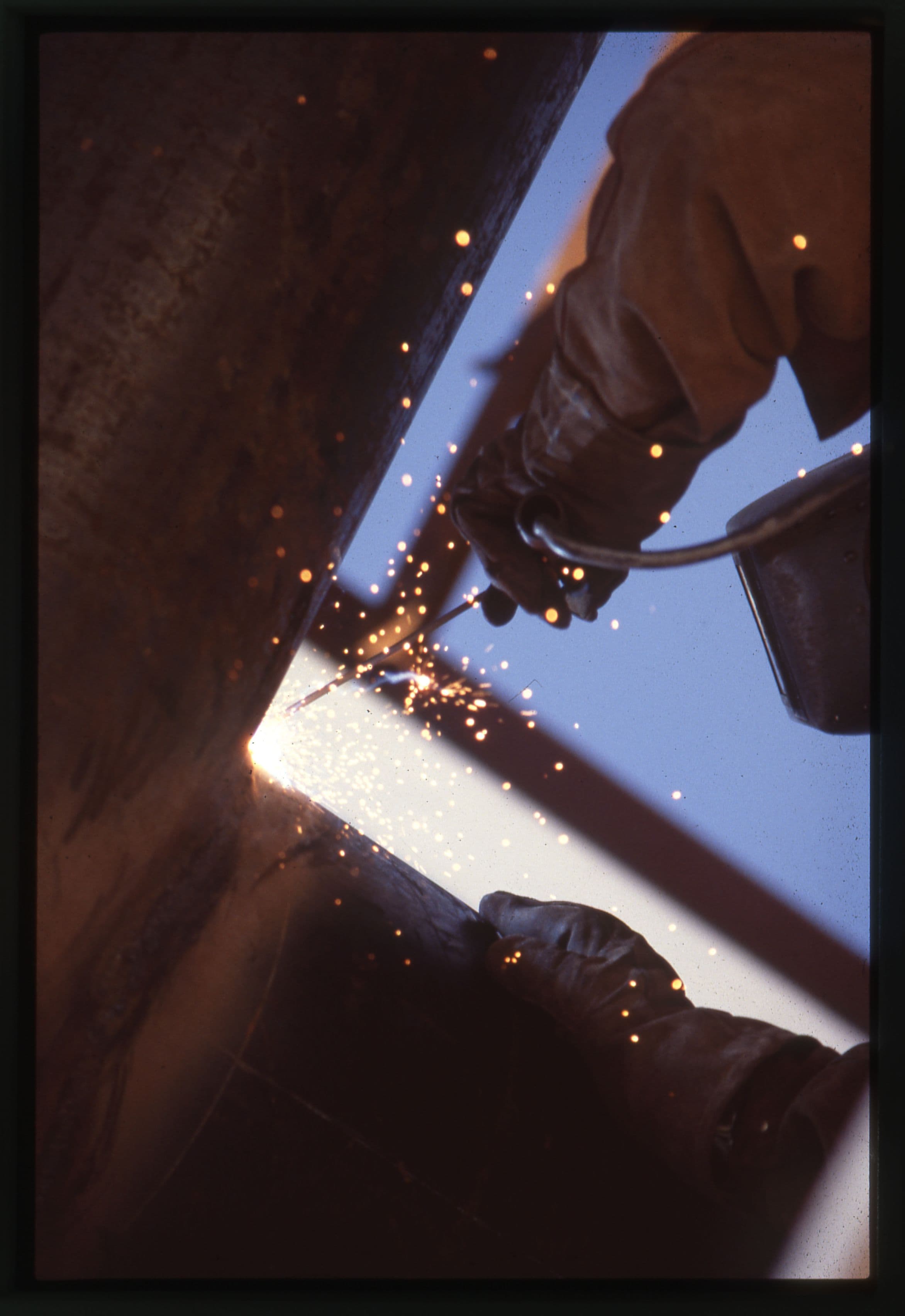
Why oxy-fuel still matters
Industrial sites keep returning to oxygen and acetylene because the combination is portable, familiar, and effective. It works where electric cutting is slower, where access is limited, and where site teams need to move quickly between tasks.
That matters in mines, workshops, fabrication bays, and plant shutdowns. When steel sections, seized fasteners, or damaged components need to be cut or heated immediately, the oxy-fuel setup gives maintenance crews a dependable option.
Where productivity is really won
The gas itself is only part of the answer. Productivity comes from matching the right torch setup, regulator condition, pressure settings, and operator technique to the job in front of the crew.
Sites that treat oxygen and acetylene as a planned system usually lose less time to empty cylinders, poor flame stability, and avoidable restarts.
Planning for shutdown windows
Shutdown periods compress risk. Everyone is moving quickly, access is limited, and a single missing cylinder can stall multiple work fronts. That is why outage planning should include gas quantities, cylinder placement, and changeover responsibilities before the work begins.
For South African industrial teams, the best supply model is usually the one that links gas availability directly to the maintenance schedule rather than relying on last-minute emergency ordering.