

Welding
Choosing Shielding Gases That Match the Weld, the Material, and the Deadline
Argon and mixed gases do more than sit next to the welding bay. They affect arc stability, finish quality, rework rates, and overall job pace.
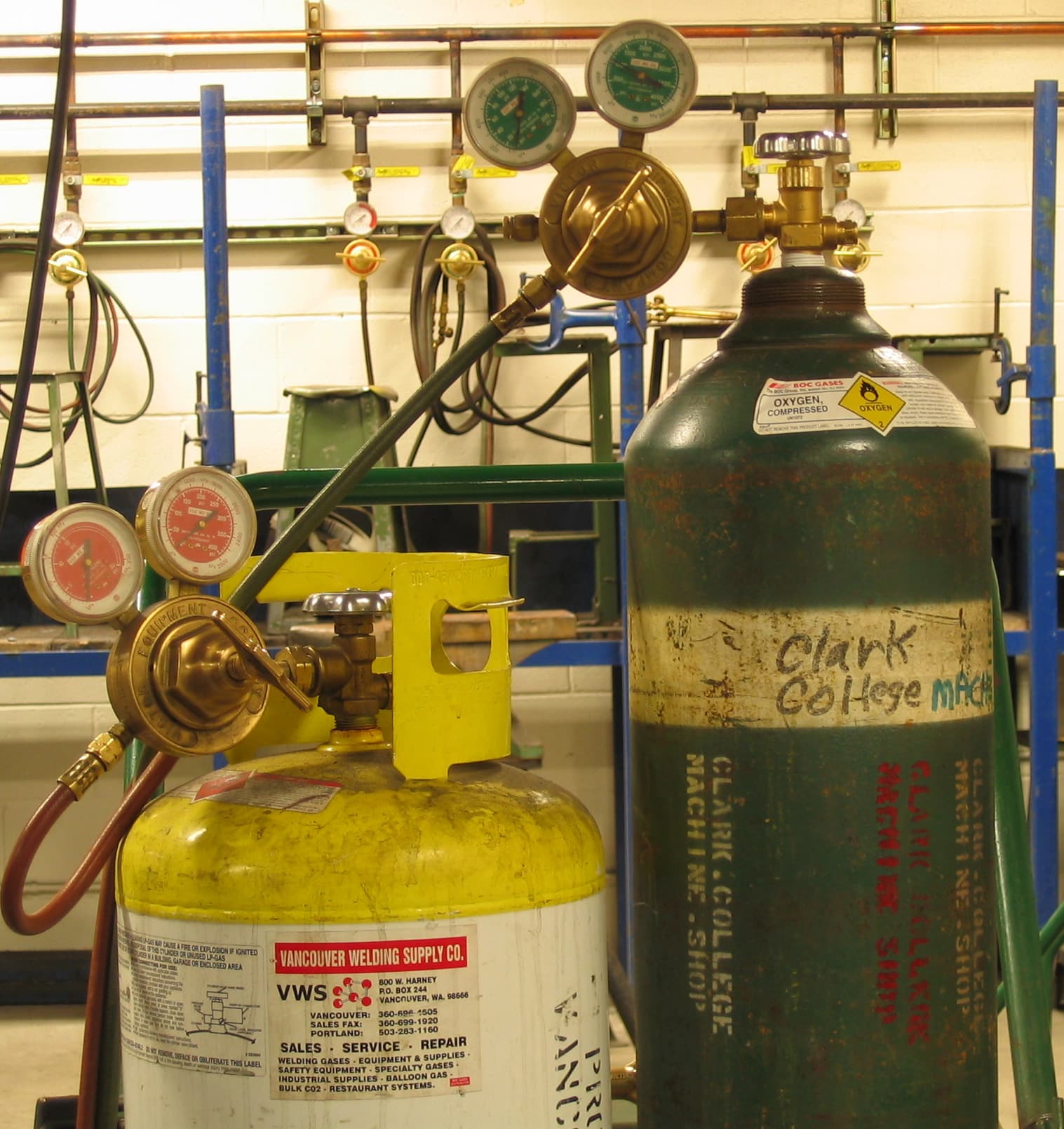
Gas choice affects more than the weld bead
When shielding gas is wrong, quality problems follow quickly: instability, poor wetting, excess spatter, and more rework. For fabrication businesses, that translates into slower throughput and inconsistent job quality.
That is why shielding gas selection should sit inside the welding procedure conversation, not outside it.
Pure argon versus mixed gases
Pure argon is common in TIG welding and in several aluminium and stainless applications where clean shielding is the priority. Mixed gases come into the picture when teams need a balance between penetration, bead profile, travel speed, and cost.
There is no universal best mix. The correct answer depends on material, process, thickness, finish requirement, and the time pressure on the workshop.
Operational discipline still matters
Even the right shielding gas underperforms when flow rates are uncontrolled, hoses are leaking, or cylinders are rotated poorly. Good supply and good welding practice need to reinforce each other.
The best industrial gas partner is the one that helps workshop teams make that connection early, before waste and rework become normal.